Discovering Pizza Categories: Where Does Veggie Pizza Fit?
The world of pizza is a vibrant, diverse tapestry, woven with threads of tradition, innovation, and regional specialties. From the iconic Neapolitan Margherita to the hearty Chicago deep dish, each style offers a unique culinary experience. As we navigate this expansive universe, a common question arises: where do specific types of pizza, like the ever-popular veggie pizza, find their place within these broad categories? Is it a category unto itself, or does it transcend traditional classifications?
Understanding pizza categories often involves looking at crust style, sauce base, and even geographic origin. However, toppings also play a crucial role in defining a pizza's identity. In this article, we'll delve into the fascinating world of pizza categorization and pinpoint precisely where the delightful and versatile veggie pizza firmly plants its delicious roots.
The Broad Spectrum of Pizza Categories: A Foundational Look
Before we home in on veggie pizza, it's essential to grasp the primary ways pizzas are generally classified. These foundational categories often dictate the very structure and experience of the pizza:
- Geographic/Regional Styles:
- Neapolitan Pizza: Originating from Naples, Italy, characterized by a soft, chewy crust, simple toppings (San Marzano tomatoes, fresh mozzarella, basil), and cooked rapidly in a wood-fired oven. It's often seen as the purest form.
- New York-Style Pizza: Known for its large, wide, thin, and foldable slices, often sold by the slice. It has a crispy yet chewy crust, typically topped with tomato sauce and mozzarella cheese.
- Chicago Deep Dish: A thick-crusted pizza baked in a deep pan, often with a layered construction where cheese goes directly on the crust, followed by toppings, and then sauce.
- Sicilian Pizza: A thick-crusted, rectangular pizza often with a spongy, focaccia-like base, typically topped with tomato sauce, onions, anchovies, and herbs.
- Detroit-Style Pizza: A rectangular pizza with a thick, chewy, airy crust that is crispy on the bottom and edges. It's typically baked in square steel pans and features cheese spread to the very edges, caramelizing into a delightful crust.
- Crust Type: Beyond regional variations, pizzas are also categorized by their crust: thin-crust, thick-crust, pan pizza, stuffed crust, gluten-free, or even cauliflower crust.
- Sauce Base: While tomato sauce is classic, many pizzas feature pesto, white (alfredo/bechamel), olive oil, or even barbecue sauce bases.
These categories provide a framework, but the true diversity often comes alive with the toppings. This is precisely where veggie pizza truly shines, offering a distinct identity based on what adorns its surface.
Unpacking Veggie Pizza: Definition, Appeal, and Core Characteristics
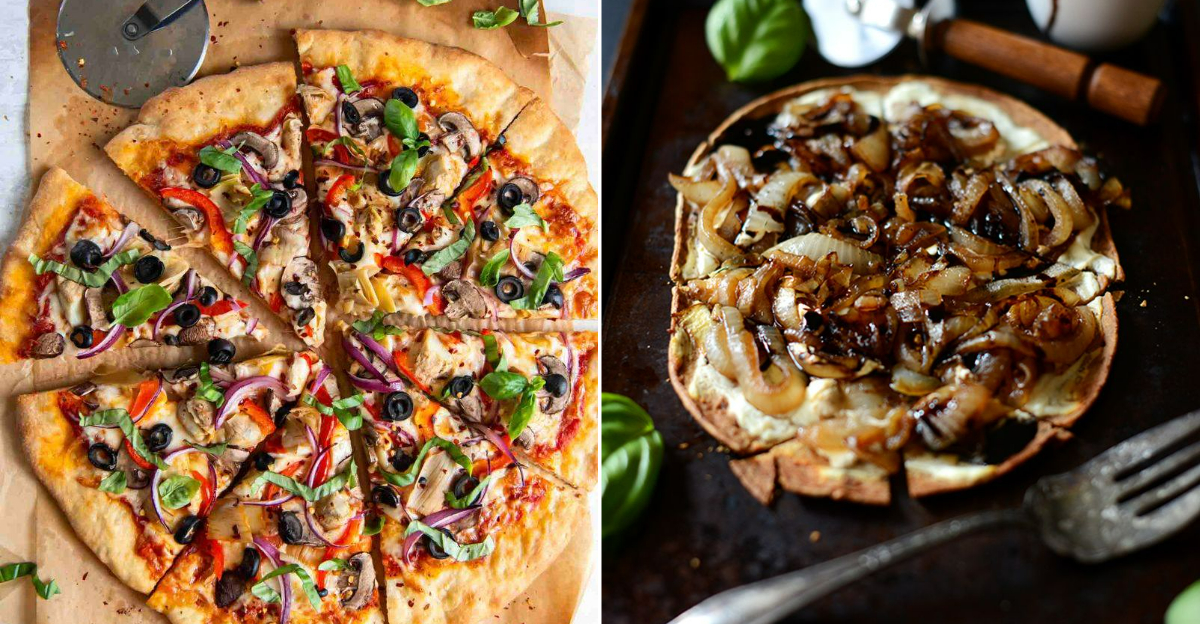
So, what exactly defines a veggie pizza? At its core, a veggie pizza is any pizza that excludes meat products and instead focuses on an array of fresh, vibrant vegetables as its primary toppings. It's a celebration of garden-fresh ingredients, offering a spectrum of flavors, textures, and nutritional benefits.
The appeal of veggie pizza: understanding this type in the world of pizza is multifaceted:
- Health-Conscious Choice: For many, it's a lighter, fresher alternative to meat-heavy options, packed with vitamins, minerals, and fiber.
- Dietary Inclusivity: It caters perfectly to vegetarians, flexitarians, and those simply looking to reduce their meat intake. With dairy-free cheese and vegan crusts, it can easily become a vegan option too.
- Flavor Variety: Vegetables offer an incredible range of flavors – sweet bell peppers, earthy mushrooms, tangy onions, robust spinach, sharp olives, tender broccoli, and more. Their combinations are endless, preventing any sense of monotony.
- Aesthetic Appeal: A well-made veggie pizza is often a feast for the eyes, bursting with color.
- Freshness Factor: The reliance on fresh produce often gives veggie pizzas a brighter, more invigorating taste profile.
Common ingredients you might find on a stellar veggie pizza include bell peppers (various colors), onions (red, white, green), mushrooms, olives (black, green, Kalamata), spinach, broccoli, artichoke hearts, tomatoes (sliced or sun-dried), zucchini, eggplant, and even more adventurous choices like kale, asparagus, or corn. The choice of cheese (mozzarella, provolone, feta, goat cheese) and sauce (classic tomato, pesto, olive oil, white sauce) further enhances its versatility.
Where Veggie Pizza Finds its Niche in the Pizza Pantheon
This is where the categorization gets interesting. A veggie pizza isn't strictly a regional style like "Neapolitan" or a crust type like "Deep Dish." Instead, it operates on a different axis: the topping profile. This means a veggie pizza can actually exist within or across many of the traditional categories we've already discussed.
- A Topping-Based Category: Rather than being defined by its geography or crust, veggie pizza is defined by the absence of meat and the presence of vegetables. It stands alongside other topping-based categories like "Meat Lovers," "Supreme," or "Hawaiian."
- Transcendence of Style: You can have a Neapolitan-style veggie pizza (perhaps with roasted peppers and zucchini), a New York-style veggie pizza (classic peppers, onions, mushrooms), a Chicago deep-dish veggie pizza (layers of spinach, mushrooms, and peppers), or even a Detroit-style veggie pizza. The "veggie" aspect is a modifier, an add-on to the base style.
- A Dietary & Preference Category: In modern pizzerias, "Vegetarian" or "Veggie Pizza" often appears as a distinct section on the menu, acknowledging a specific dietary preference or a general desire for a lighter option. It's similar to how gluten-free or dairy-free options are presented – as alternatives meeting specific needs.
- Part of the "Specialty Pizza" Family: Many establishments list it under "Specialty Pizzas," recognizing its unique blend of ingredients that elevate it beyond a simple "build-your-own" option. These specialty creations often feature thoughtfully curated vegetable combinations designed to create a harmonious flavor profile.
Therefore, veggie pizza doesn't displace traditional categories; it enriches them. It acts as a versatile layer that can be applied to nearly any pizza base, ensuring that diverse palates and dietary needs are met within the broad spectrum of pizza offerings. It represents flexibility and an evolving understanding of what pizza can be.
Crafting the Perfect Veggie Pizza: Tips and Innovations
Creating an exceptional veggie pizza, whether at home or in a professional kitchen, involves more than just throwing vegetables on a crust. It requires thoughtful consideration of flavor, texture, and balance.
Here are some tips and insights for elevating your veggie pizza:
- Prep Your Veggies: Some vegetables, like onions, bell peppers, or mushrooms, benefit from pre-sautéing or roasting before going on the pizza. This brings out their sweetness, reduces water content, and ensures they cook evenly with the pizza, preventing a soggy crust. For delicate greens like spinach, add them in the last few minutes of baking to prevent them from becoming overcooked.
- Balance Flavors and Textures: Aim for a variety. Combine sweet (bell peppers, corn), savory (mushrooms, onions), tangy (olives, artichokes), and slightly bitter (broccoli rabe, kale). Consider different textures too – crunchy, tender, chewy.
- Strategic Sauce Choices:
- Classic Tomato: A natural base that pairs well with almost any vegetable.
- Pesto: Offers a fresh, herbaceous kick, especially good with sun-dried tomatoes, spinach, and feta.
- Olive Oil & Garlic: A simple yet elegant base that lets the natural flavors of the vegetables shine.
- White Sauce (Alfredo/Bechamel): Creates a rich, creamy canvas, perfect for roasted garlic, mushrooms, and caramelized onions.
- Cheese with Character: While mozzarella is standard, don't shy away from other cheeses. Feta adds a salty tang, goat cheese provides creamy tartness, provolone offers a sharper bite, and parmesan can be grated on top after baking for an umami finish. For vegan options, many excellent plant-based cheeses are available today.
- Herbs and Seasonings: Fresh herbs like basil, oregano, thyme, and parsley can dramatically enhance the flavor. A sprinkle of red pepper flakes adds a nice heat.
- Seasonal Inspiration: Embrace the seasons! A spring veggie pizza might feature asparagus and peas, while a fall version could highlight butternut squash and sage.
- Consider International Influences: Think Mediterranean veggie pizza with olives, feta, and artichokes, or an Asian-inspired one with broccoli, shiitake mushrooms, and a sesame oil drizzle.
The innovation surrounding the many types of pizza, including the veggie pizza option continues to grow. As plant-based diets gain traction, chefs and home cooks alike are pushing the boundaries of what a vegetable-laden pizza can be, experimenting with gourmet ingredients, artisanal crusts, and sophisticated flavor pairings. The focus is no longer just on what's *missing* (meat) but on the incredible richness and diversity that vegetables *bring* to the table.
Conclusion
In the vast and delicious world of pizza, veggie pizza stands not as a rigid, isolated category but as a remarkably versatile and vital sub-category defined by its vibrant toppings. It transcends geographical and crust-based classifications, seamlessly adapting to traditional styles from Neapolitan to Chicago deep dish. Its appeal lies in its health benefits, dietary inclusivity, and the boundless flavor potential offered by fresh vegetables. Whether you're a health enthusiast, a vegetarian, or simply someone craving a refreshing culinary experience, veggie pizza offers a delicious and ever-evolving option that perfectly embodies the spirit of innovation within the timeless art of pizza making. It's a testament to pizza's enduring adaptability, proving that sometimes, the most satisfying choices come straight from the garden.
