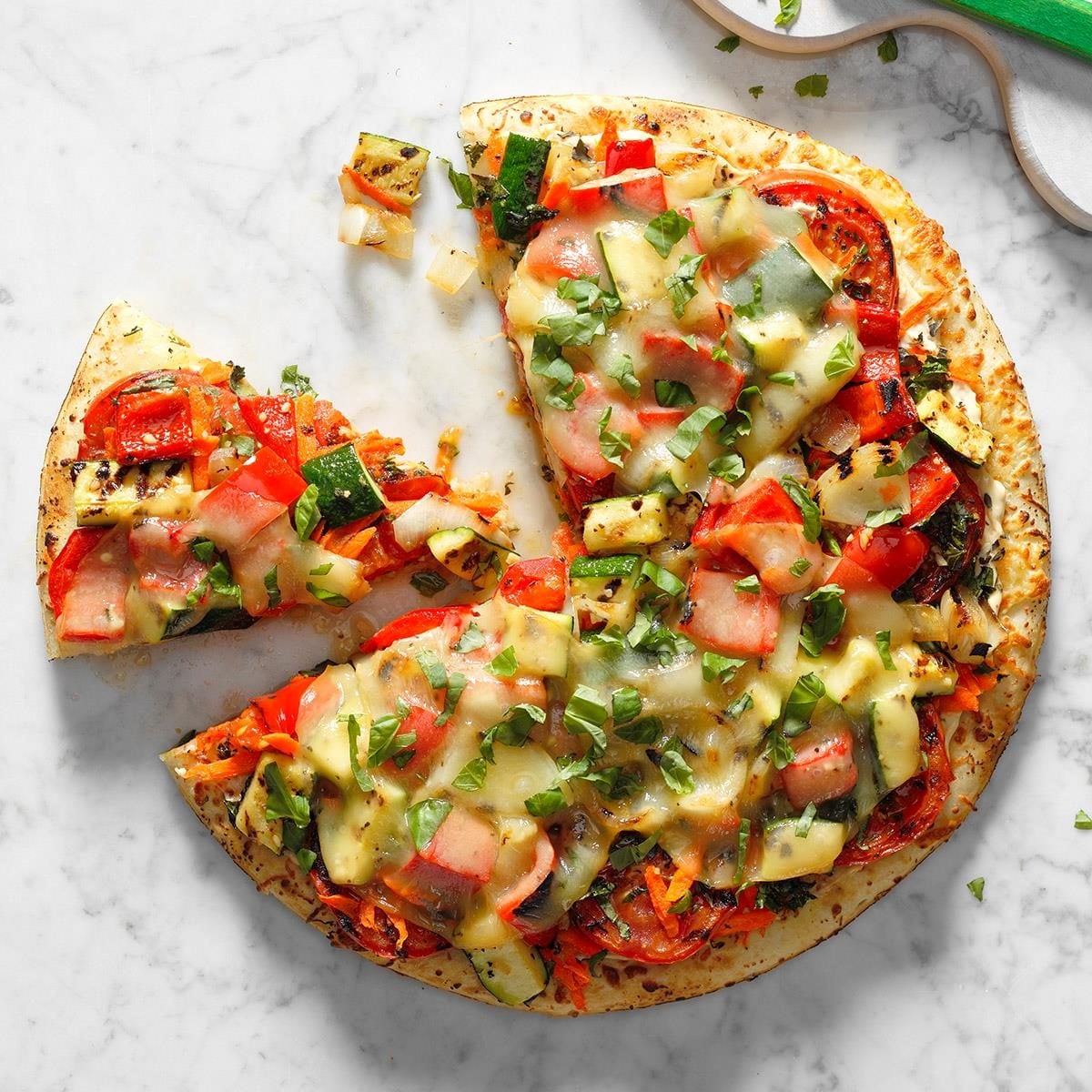
Pizza, a dish beloved across continents, transcends mere sustenance to become a culinary art form, a symbol of gathering, and a canvas for endless creativity. From its humble origins in Naples to its global variations, pizza has evolved dramatically, offering a spectrum of flavors, textures, and styles. While many associate pizza with classic meat toppings like pepperoni or sausage, the world of pizza is far richer and more diverse. Among its myriad forms, one category has steadily gained prominence for its vibrant flavors, nutritional benefits, and universal appeal: the veggie pizza.
This article will take you on a flavorful journey through the diverse landscape of pizza, exploring its classic roots and modern interpretations, with a special spotlight on the versatility and deliciousness of the vegetable-laden options. Whether you're a devout carnivore curious about plant-based alternatives or a long-time vegetarian seeking new inspiration, understanding the many types of pizza, especially the veggie pizza, opens up a world of culinary possibilities.
A Journey Through Pizza's Global Diversity
Pizza's journey from a street food staple to an international sensation is a testament to its adaptability and universal appeal. Each region, and often each city, has imprinted its unique culinary identity onto this simple dish, creating distinct styles that are cherished worldwide.
Classic Italian Roots
- Neapolitan Pizza (Pizza Napoletana): The undisputed ancestor of modern pizza, originating from Naples, Italy. Characterized by a soft, airy, and chewy crust that is traditionally baked quickly in an extremely hot wood-fired oven. The most iconic versions are the Margherita (San Marzano tomatoes, fresh mozzarella, basil, olive oil) and Marinara (tomatoes, garlic, oregano, olive oil), showcasing simplicity and the quality of ingredients.
- Roman Pizza: Rome offers two primary styles. Pizza al Taglio (pizza by the slice) features a rectangular shape, a thick, airy crust, and is often topped with a variety of ingredients, sold by weight. Pizza Tonda, on the other hand, is a thin-crust, crispy pizza, often served in traditional pizzerias.
- Sicilian Pizza (Sfincione): Often rectangular with a thick, spongy, focaccia-like crust, a robust tomato sauce, sometimes onions, anchovies, and a generous dusting of breadcrumbs. It's a heartier, more rustic option.
American Innovations
When pizza crossed the Atlantic, it underwent a profound transformation, adapting to American tastes and culinary traditions.
- New York-Style Pizza: Famous for its large, hand-tossed thin crust that is crisp yet pliable enough to be folded in half, a technique essential for eating slices on the go. It typically features a rich tomato sauce and generous amounts of mozzarella.
- Chicago Deep Dish Pizza: A culinary marvel that more closely resembles a savory pie than a traditional pizza. Baked in a deep, oiled pan, it boasts a tall, flaky crust that cradles an abundance of cheese (often mozzarella lining the bottom), toppings, and a chunky tomato sauce on top.
- California-Style Pizza: Known for its gourmet and often unconventional toppings, incorporating fresh, seasonal, and often exotic ingredients like goat cheese, duck sausage, or BBQ chicken. This style embraces innovation and culinary fusion.
- Detroit-Style Pizza: A rectangular pizza with a thick, chewy, airy crust that is crispy on the bottom and edges due to being baked in a rectangular steel pan, traditionally used in auto factories. It's often topped with brick cheese and sauce on top.
The Rise and Appeal of Veggie Pizza
Amidst this vast landscape of pizza types, the veggie pizza stands out as a vibrant, flavorful, and incredibly versatile option. Far from being a mere afterthought for non-meat-eaters, a well-crafted veggie pizza is a culinary masterpiece in its own right, celebrated for its freshness, nutritional value, and explosion of flavors and textures. For a deeper dive, consider Veggie Pizza: Understanding This Type in the World of Pizza.
What Makes a Great Veggie Pizza?
The beauty of veggie pizza lies in its infinite possibilities. The key to a truly exceptional one lies in a few critical elements:
- Fresh, Seasonal Vegetables: The cornerstone of any good vegetable pizza. Bell peppers (red, yellow, green), onions, mushrooms, olives, spinach, broccoli, artichoke hearts, zucchini, and sun-dried tomatoes are classic choices. However, don't shy away from seasonal gems like asparagus in spring or roasted butternut squash in fall.
- Quality Cheese: While mozzarella is traditional, experimenting with other cheeses can elevate the flavor profile. Provolone adds a sharper note, feta offers a salty tang, goat cheese provides creamy richness, and smoked gouda introduces a unique depth.
- Flavorful Sauce: A robust tomato sauce is a standard, but pesto, white garlic sauce, or even a spicy arrabiata can provide a fantastic base that complements the vegetables.
- Perfectly Cooked Crust: The canvas for your culinary creation. Whether thin and crispy or thick and chewy, the crust must be cooked to perfection to support the toppings without becoming soggy.
Beyond the Basics: Creative Veggie Pizza Combinations
The innovation within veggie pizza knows no bounds. Here are some ideas to spark your imagination:
- Mediterranean Delight: Pesto base, mozzarella, feta, sun-dried tomatoes, black olives, artichoke hearts, and red onions.
- Garden Harvest: Marinara sauce, mozzarella, bell peppers, mushrooms, onions, spinach, and a sprinkle of fresh oregano.
- Spicy Southwestern: Salsa base, cheddar-jack cheese blend, roasted corn, black beans, jalapeños, and a drizzle of cilantro-lime crema after baking.
- Gourmet Mushroom & Truffle: White garlic sauce, fontina cheese, sautéed wild mushrooms, a hint of truffle oil, and fresh thyme.
- Sweet & Savory Harvest: Olive oil base, caramelized onions, roasted sweet potato slices, goat cheese, and a balsamic glaze.
Exploring these combinations helps in discovering pizza categories: where does veggie pizza fit? — it fits everywhere, adapting to local tastes and culinary trends with ease.
Health, Customization, and Culinary Trends
The growing popularity of veggie pizza aligns perfectly with modern dietary trends, emphasizing health, customization, and sustainable eating. This category of pizza isn't just delicious; it also offers significant benefits.
Dietary Benefits and Customization
Vegetable-rich pizzas naturally come with an array of health advantages. They are packed with vitamins, minerals, and fiber, contributing to a balanced diet. Furthermore, veggie pizza is incredibly adaptable for various dietary needs:
- Vegan Options: Easily made vegan by swapping dairy cheese for plant-based alternatives and ensuring the sauce is dairy-free. Many vegetable toppings are naturally vegan.
- Gluten-Free Options: Most pizzerias now offer gluten-free crusts, allowing individuals with celiac disease or gluten sensitivity to enjoy a delicious veggie pizza without compromise.
- Calorie Control: While pizza can be indulgent, a veggie-heavy option can be lighter than meat-laden counterparts, especially when opting for a thinner crust and less cheese.
Pairing Perfection: What to Enjoy with Your Pizza
The right accompaniment can elevate your pizza experience. For veggie pizza, consider these pairings:
- Drinks: Light-bodied red wines (Pinot Noir), crisp white wines (Sauvignon Blanc), craft beers (IPAs, Pilsners), or refreshing sparkling waters with citrus.
- Salads: A simple garden salad with a vinaigrette dressing provides a refreshing counterpoint to the richness of the pizza.
- Dips: A side of marinara for dipping crusts, a creamy ranch, or even a spicy garlic aioli can add another layer of flavor.
Crafting Your Own: Tips for Homemade Pizza
Making pizza at home is a rewarding experience, allowing for ultimate control over ingredients and endless customization. When it comes to homemade veggie pizza, a few tips can ensure spectacular results:
- Pre-Cook Watery Veggies: Vegetables like mushrooms, onions, and bell peppers can release a lot of moisture, potentially making your pizza soggy. Sautéing or roasting them briefly before adding them to the pizza can help.
- Don't Overload: While tempting to pile on all your favorite vegetables, too many toppings can make the crust heavy and prevent even cooking. Less is often more for a balanced bite.
- Hot Oven, Hot Stone/Steel: For a crispy crust reminiscent of a professional pizzeria, bake your pizza at the highest temperature your oven allows, preferably on a preheated pizza stone or steel.
- Fresh Herbs at the End: Add delicate fresh herbs like basil, parsley, or arugula after the pizza comes out of the oven to preserve their vibrant flavor and color.
- Experiment with Crusts: Try different types of dough – whole wheat, sourdough, or even cauliflower crusts – to find your perfect base.
The journey through pizza types is a delicious exploration of global cuisine and local innovation. From the authentic Neapolitan to the inventive California style, pizza continually reinvents itself. The veggie pizza, in particular, shines as a testament to the power of fresh ingredients, offering endless possibilities for flavor, nutrition, and personal expression. Whether you're ordering from your favorite local spot or crafting a masterpiece in your own kitchen, embracing the vibrant world of vegetable-topped pizzas is a delightful culinary adventure waiting to be savored.
